Understanding Scope Emissions Reporting

Turn Scope Emissions Reporting Data into Strategic Advantage

Gain trusted insights into supplier emissions, unite your partners around climate goals, and accelerate Scope 3 reductions across your entire value chain.

It serves as a strategic opportunity to enhance operational efficiency, identify potential risks, and strengthen stakeholder trust. Begin utilizing your emissions data today to ensure the long-term resilience and competitiveness of your business.

Book a discovery call

Talk Scope Emission Reporting with a member of the team today!

Image

Free & intuitive supplier portal to streamline communication

Image

Accurate & summarized data for documentation, labels & declarations

Image

Seamless bidirectional API integration between existing ERP & PLM

What is Scope Emissions Reporting?

Scope emissions reporting requires companies to measure and disclose greenhouse gas emissions across your business and value chain. Following the greenhouse Gas (GHG) Protocol, emissions are categorized into 3 scopes:
Image

Scope 1 – Direct Emissions

Emissions from sources owned or controlled by the company, such as fuel combustion in facilities or company vehicles.
Image

Scope 2 – Indirect Energy Emissions

Emissions from the generation of purchased energy, such as electricity, heat, or steam consumed by operations.
Image

Scope 3 – Value Chain Emissions

All other indirect emissions across your value chain, including suppliers, logistics, business travel, and product end-of-life. Scope 3 often represents the largest share of a company's carbon footprint and requires collaboration across partners.
Image
Under current frameworks such as the ISSB Standards and the Streamlined Energy and Carbon Reporting (SECR) framework, disclosure of Scope 1 and 2 emissions is already mandatory for companies above a certain size. Scope 3 reporting remains voluntary for now, though discussions are underway to make it mandatory in the future. While the UK Sustainability Reporting Standards (SRS) are not yet in force, this phased approach helps companies build capacity and strengthen sustainability across their supply chains.
Download your Guide to Scope Reporting

Why Scope Emissions Reporting Matters to Business

Image

Global Momentum is Growing

Rising stakeholder expectations on supply chain transparency and accountability make verified emissions data a key benchmark for trust and credibility, influencing market positioning and opportunities.
Image

Regulations Make Reporting Mandatory

Regulations like the EU's Corporate Sustainability Reporting Directive (CSRD), Carbon Border Adjustment Mechanism (CBAM) and the upcoming UK SRS make scope emissions reporting legally required and auditable. Accurate, reliable data is essential for market access and regulatory compliance.
Image

Global Frameworks for Consistency

Following recognized standards like the GHG Protocol ensures data is consistent and comparable across regions, simplifying multinational compliance management.
Image

From Compliance to Strategic Asset

Streamlined collection and reporting help companies identify inefficiencies, support emissions reduction goals, mitigate risks, and enhance resilience, turning compliance into a business advantage.

Key Considerations

Key Challenges of Scope Emissions Reporting

Image

Complex data collection

Tracing emissions across value chains requires input from multiple stakeholders, making data gathering challenging and resource intensive.
Image

Materiality determination

Identifying the most significant emissions adds complexity, as relevance varies by sector, activities, and regulations.
Image

Complex data collection

Tracing emissions across value chains requires input from multiple stakeholders, making data gathering challenging and resource intensive.
Image

Calculation & quality gaps
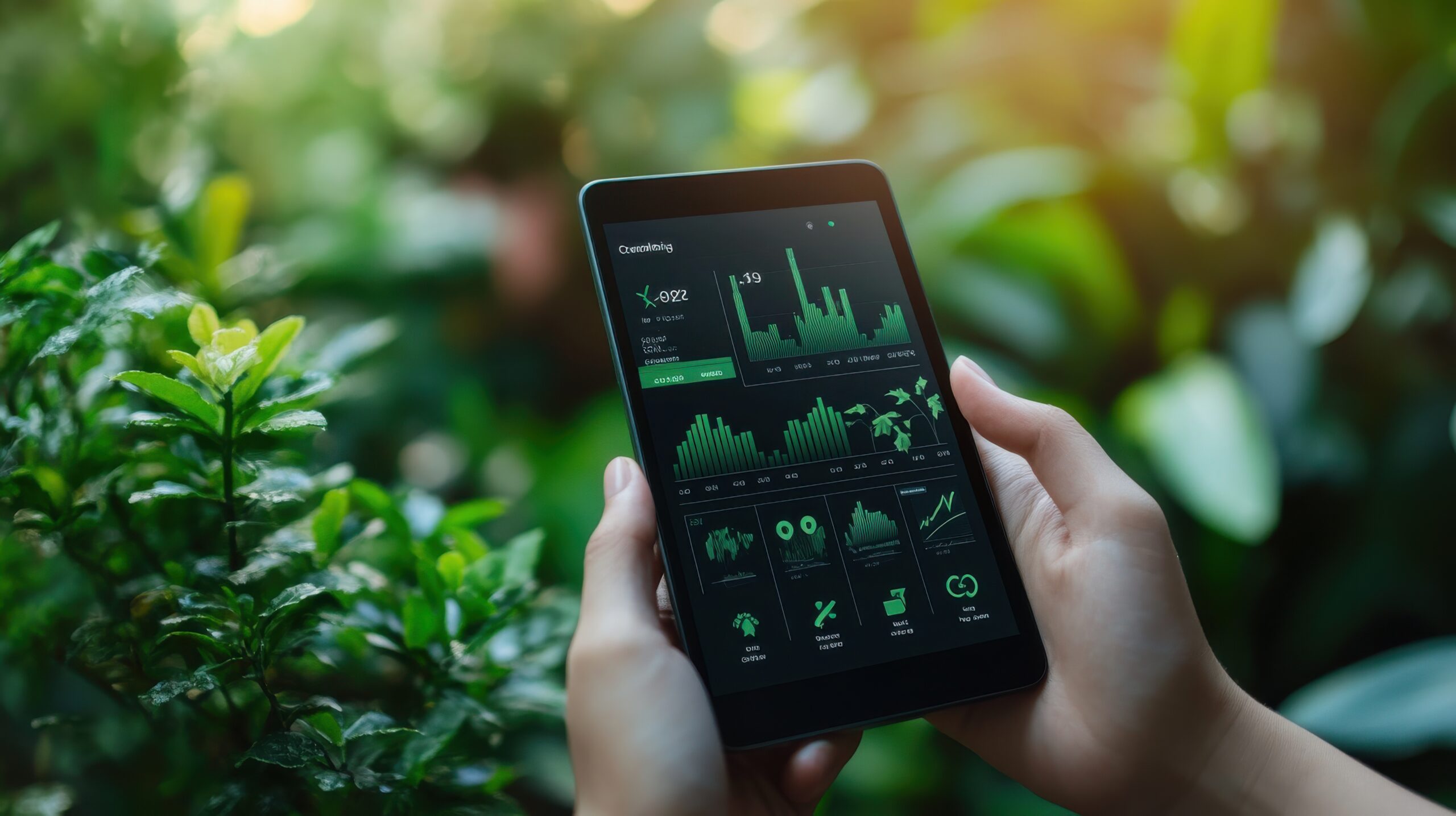
Using inconsistent methods and varying data quality reduces accuracy, reliability, and comparability.

Why osapiens

office building with plants
Image

KEY BENEFITS

Greenhouse Gas Balance Sheet

Get a comprehensive view of your company's carbon footprint with detailed breakdowns across all three scopes. Our platform provides transparent, auditable data that meets global reporting standards and builds stakeholder confidence.
  • Automated data collection and validation
  • Real-time emissions tracking
  • Compliance-ready reporting
  • Multi-framework support (GHG Protocol, CSRD, ISSB)
Image
Image

TAKE ACTION

Reduction Measures

Identify high-impact opportunities to reduce emissions across your operations and value chain. Our intelligent platform analyzes your data to recommend targeted interventions, track progress, and demonstrate measurable results.
  • AI-powered reduction recommendations
  • Scenario modeling and forecasting
  • Supplier engagement tools
  • Progress monitoring and benchmarking
Image

Articles

Drive transparent emissions management with osapiens HUB

Image

Blog

October 27, 2025

The Next Step in UK Sustainability Transparency 

Read full article
Image

Article

November 11, 2025

The Global Trend Line in Sustainability Reporting

Read full article

Get in Touch

Ready to transform your scope emissions reporting? Contact us to learn more about how osapiens HUB can help your business achieve its sustainability goals.

Trusted by thousands of companies around the globe in all industries

Image
Image
Image
Image
Image
Image